


 8007224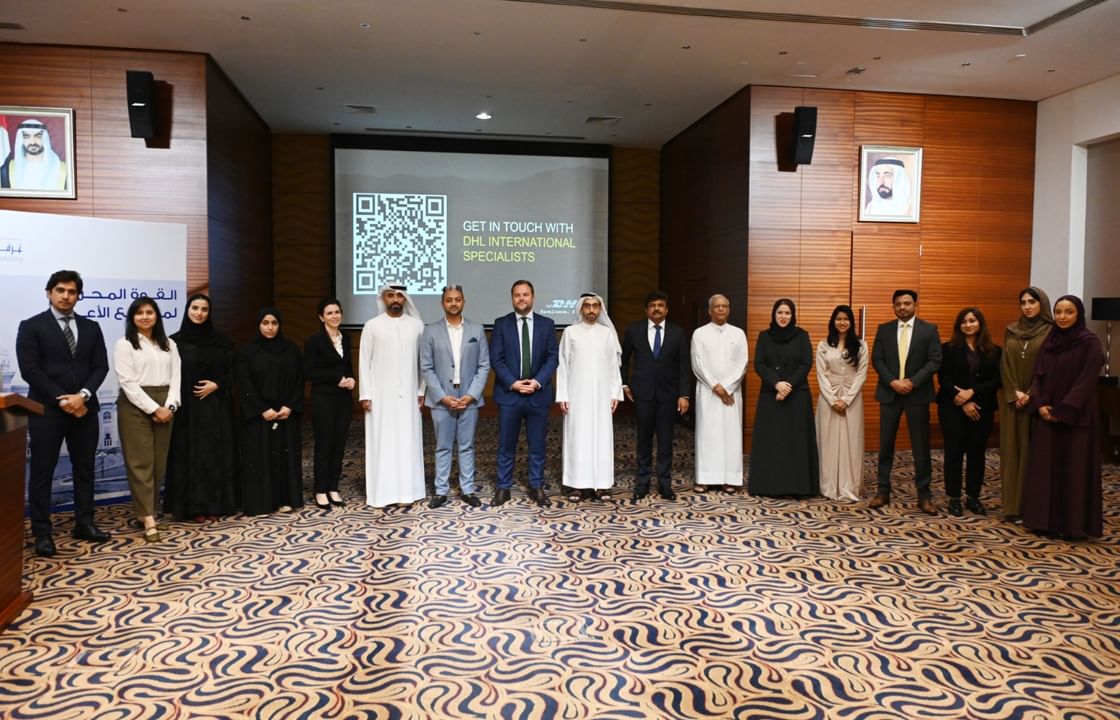
Sharjah Chamber of Commerce and Industry (SCCI), in collaboration with the Indian Business and Professional Council in Sharjah (IBPC), organised a workshop highlighting investment opportunities created by the UAE's Comprehensive Economic Partnership Agreements (CEPAs).
Titled "CEPAs and Trade Facilitation", the workshop brought together representatives of the Ministry of Foreign Trade, DHL Group, government entities and the business community to discuss practical strategies for helping companies benefit from the UAE's CEPA programme.
The event was attended by Abdul Aziz Al Shamsi, Assistant Director-General for Communication and Business Sector at SCCI; Lalu Samuel, Chairman of IBPC Sharjah; Dr Fatima Khalifa Al Muqarrab, Director of the International Relations Department at SCCI; government officials, investors, entrepreneurs and representatives of local and international companies.
The workshop featured panel discussions, expert presentations and interactive sessions focusing on trade facilitation, investment opportunities and expanding business between the UAE and India.
Abdul Aziz Al Shamsi said the CEPA programme has become a key pillar of the UAE's foreign trade strategy, strengthening international trade ties, expanding market access and creating new opportunities for small and medium-sized enterprises (SMEs).
He noted that Sharjah has become a preferred investment destination and strategic gateway for Indian businesses seeking regional and international expansion.
Al Shamsi said more than 20,000 active Indian companies are registered with the Sharjah Chamber, representing annual growth of 30 percent. He added that the value of Sharjah's domestic exports to India, based on certificates of origin issued by SCCI, reached around AED576 million.
Lalu Samuel said the UAE-India Comprehensive Economic Partnership Agreement reflects the strength of bilateral economic relations and provides businesses with new opportunities to expand through innovation, quality and value-added products and services.
He highlighted Sharjah's strategic location, free zones and Khorfakkan Port as key advantages supporting trade with Asian and African markets.
A representative of the Ministry of Foreign Trade presented an overview of the CEPA programme and Rules of Origin, outlining the agreements' objectives, regulatory framework and guidance on maximising preferential market access and customs incentives.
Ben McLean, Director of Commercial Programmes at DHL, outlined the company's logistics solutions to support international trade, focusing on cross-border shipping, warehousing and customs clearance to improve supply chain efficiency and reduce costs.
Participants highlighted the role of CEPAs in expanding market access, reducing or eliminating customs tariffs, removing trade barriers and enhancing the competitiveness of exporters. Discussions also explored opportunities in logistics, clean energy, technology, financial services, green manufacturing, advanced materials, and sustainable agriculture and food systems.
The workshop also examined how the agreements support Emirati service providers, reduce technical barriers to trade and offer advantages for UAE companies competing for government procurement opportunities in partner countries.
The CEPA programme forms a central pillar of the UAE's strategy to strengthen its position as a global trade and investment hub by promoting trade facilitation, tariff reductions, intellectual property protection and foreign direct investment through strategic international partnerships.
 Your Opinion
 Customer Satisfaction Survey
 Happiness Meter